10 Signs Your E-Bike Needs Professional Service
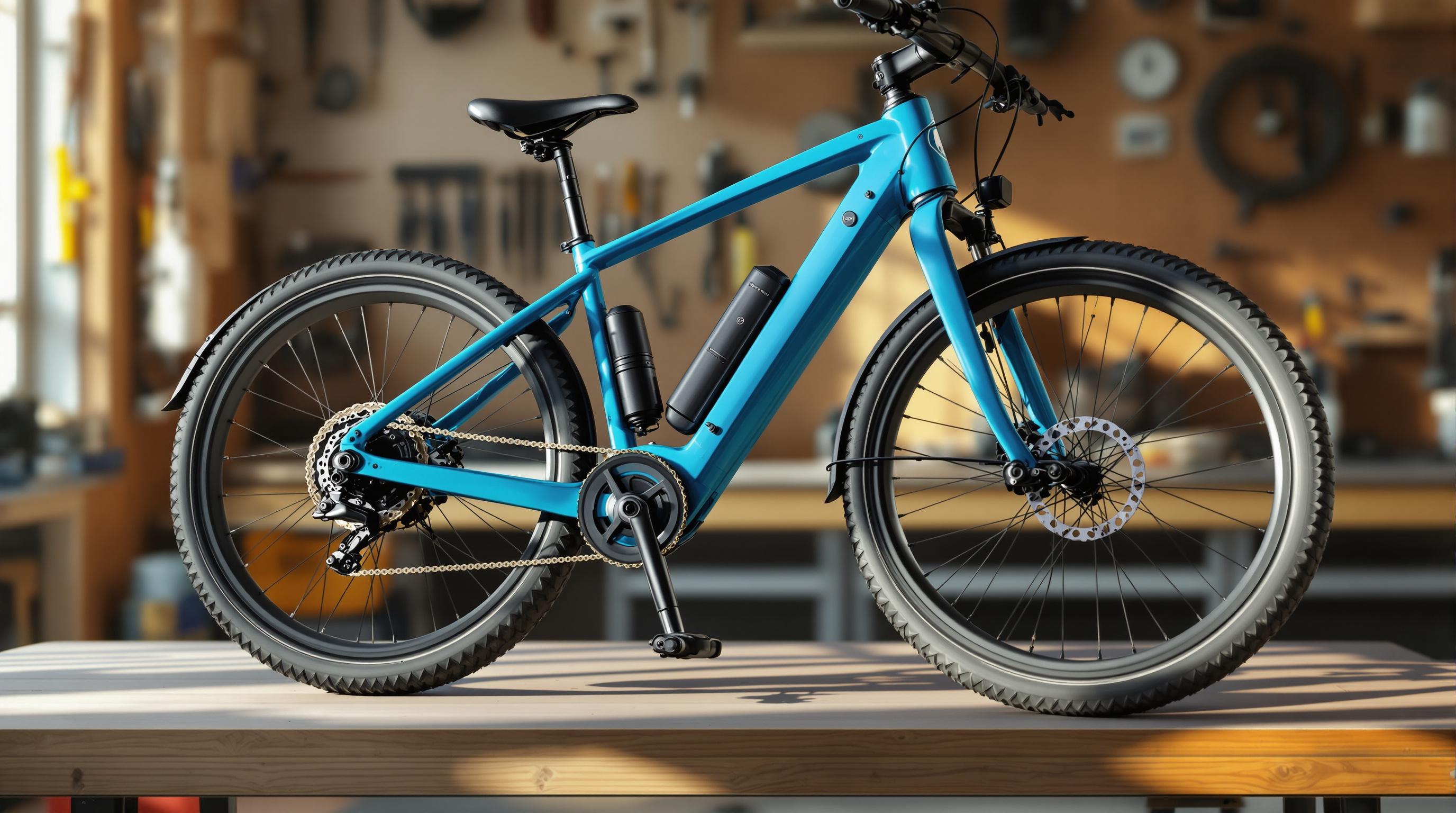
10 Signs Your E-Bike Needs Professional Service
Is your e-bike acting up? Here’s a quick guide to recognize when it’s time to seek professional help. Regular maintenance is critical for keeping your e-bike safe, functional, and efficient. Watch out for these 10 warning signs:
- Strange sounds or excessive vibrations during rides.
- Battery problems, like reduced range or overheating.
- Unresponsive or delayed brakes, which increase stopping distance.
- Motor issues, such as power surges or uneven performance.
- Malfunctioning displays or controls, including flickering screens or error codes.
- Chain or gear problems, like skipping or grinding noises.
- Faulty suspension, causing excessive bouncing or oil leaks.
- Wheel or tire damage, such as wobbling or uneven wear.
- Power output drops, making hills and acceleration harder.
- Missed service intervals, leading to worsening issues.
Ignoring these signs can lead to costly repairs and safety risks. Prioritize regular check-ups and consult professionals for complex repairs to keep your e-bike in top shape.
eBike Repair - The Ultimate Guide
1. Strange Sounds and Shaking
Hearing odd noises or feeling unusual vibrations? These can point to mechanical or electrical problems that might affect your safety and increase repair expenses.
- Grinding noises during acceleration or uphill rides often mean worn bearings or loose motor parts.
- High-pitched sounds are a common sign of failing bearings [2] [3].
- Clicking or rattling could come from misaligned chains, loose spokes, gear issues, or unsecured pedals and crank bolts.
Some of these issues can be fixed with regular maintenance. But if the noises persist or multiple problems occur at once, it’s time to consult a professional. Can’t figure it out? Record the sound to help your technician diagnose the problem faster.
"Most abnormal noises can be identified and resolved easily at home without professional assistance."
E-bikes naturally produce more vibration than standard bikes because of their extra components. However, if the shaking feels excessive, it might mean imbalanced wheels, loose or worn parts, or improper assembly. Technicians use specialized tools to pinpoint and fix these issues.
Also, don’t forget to check your battery. Poor charge retention is another clear indication that your e-bike might need expert attention.
2. Battery Not Holding Charge
If your bike's battery isn't holding a charge, it's time to act. A failing battery can lead to performance issues and even safety hazards.
Here are some common warning signs to watch out for:
- A sudden decrease in riding range
- Locharging times
- Unexpected power losses during rides
- Overheating while charging
- Visible swelling or damage to the battery casing
Most e-bike batteries last between 2–5 years [6]. When problems arise, it's best to consult a professional. As Bike Commuter Hero explains:
"Batteries aren't meant to be disassembled, especially by consumers. Even if you opened up your battery and tested the components with electrical equipment, replacing a component like a BMS or a bad cell is currently difficult and expensive. It's not easy or cheap to get your hands on replacement parts. On top of that, batteries are dangerous. Without the proper expertise and training, it's all too easy to start an electrical fire that's dangerous and difficult to put out. Because of that, it's best to simply replace a failing battery or give it to a professional to fix rather than trying to fix it yourself." [5]
Before reaching out for help, try these quick checks:
- Test your charger with a different outlet to rule out electrical issues.
- Wipe the battery terminals clean with a dry cloth to ensure proper contact.
- Verify you're using the charger recommended by the manufacturer.
- Make sure the battery is securely mounted in place.
If these steps don’t solve the problem, seek professional assistance immediately. Ignoring battery issues can lead to serious risks like overheating, fires, or even explosions [4]. A professional can determine whether your battery needs repair or replacement.
3. Motor Acting Unpredictably
When your e-bike motor starts behaving erratically, it can affect both your safety and the bike's performance. Spotting the warning signs early and addressing them promptly is crucial. Here are some common symptoms of motor issues to watch out for:
- Power surges
- Power cutouts
- Uneven power delivery
- Unusual motor noises
- Sluggish performance
"When the motor on your bike feels sluggish, delivers uneven power, or cuts out unexpectedly, it's time to act." [8]
A case shared on the electricbike.com forum provides a good example of how tricky motor problems can be. Back in August 2016, a user reported intermittent motor cutouts with their BBSHD motor. The root cause? A damaged battery pack caused by off-road vibrations. This example highlights how interconnected e-bike systems are [7].
Before heading to a professional, try these basic checks:
- Inspect Connections: Look for loose or corroded wires.
- Check Battery Mount: Ensure the battery is securely fastened.
- Monitor Temperature: See if the motor acts up after heating.
- Test PAS Sensor: Make sure it’s properly aligned.
If these steps don’t resolve the issue, it’s time to bring in an expert. Persistent problems often require specialized equipment and knowledge to diagnose.
"The fact that there is a delay before it starts cutting out, and that delay is shorter in higher gear (higher current draw) tells me that this is a current delivery issue. Weak battery, probably, which can't keep up for long. Low charge or imbalance could do that. Or bad cells, but don't jump to that conclusion. Or, maybe, a high resistance connection someplace in the motor power wiring." [7]
You should seek professional assistance if you notice:
- Motor cutting out under load
- Consistent uneven power delivery
- Persistent motor noises
- Complete loss of power assistance
These signs often point to deeper issues that need expert attention.
4. Brake Performance Issues
After addressing motor problems, it's important to turn your attention to your e-bike's braking system. Proper brake performance is crucial, especially since the extra weight and speed of e-bikes can increase safety risks. Any brake-related issues should be handled by a professional without delay.
Here are some common signs that your e-bike's brakes need attention:
- Reduced Responsiveness: If your brakes feel soft or the lever travels too far before engaging, it could mean air in the hydraulic lines or worn-out components. This increases stopping distance and poses a safety risk.
- Unusual Sounds: Noises like squealing, grinding, or scraping during braking often point to worn brake pads or dirty rotors that need professional care.
"Prioritizing the performance and safety of your e-bike brakes is a key responsibility for all riders." - Himiway Bike [11]
- Worn Brake Pads: If your brake pads measure less than three millimeters [9], it's time to replace them. While you might be able to inspect pads at home, more technical tasks like bleeding hydraulic brakes should be left to a qualified technician [10].
Addressing brake issues quickly not only ensures safety but also maintains your e-bike's performance. Make sure to schedule professional service if you experience any of the following:
- Inconsistent Brake Feel: If the brake response varies between applications.
- Unusual Vibrations: Pulsing or shuddering when braking.
- Delayed Response: A noticeable lag between pressing the brake lever and the brakes engaging.
- Complete Loss of Pressure: If the brake lever pulls all the way to the handlebar without resistance.
For routine care, plan for brake maintenance every six months - or sooner if you often ride in challenging conditions.
What’s Included in Professional Brake Servicing?
A professional brake service typically involves the following:
| Service Component | Purpose |
|---|---|
| Hydraulic Line Inspection | Checking for leaks or air in the system |
| Caliper Alignment | Ensuring even wear and consistent braking |
| Rotor Check | Verifying rotor thickness and alignment |
| System Bleeding | Removing air and replacing old brake fluid |
5. Display and Control Malfunctions
Once you've ensured your brakes are in good shape, it's time to turn your attention to your e-bike's display and control systems. These parts are crucial for providing real-time updates on speed, battery life, and overall performance. If they stop working, it might lead to bigger problems that require professional help.
Look out for warning signs like a blank or flickering screen, incorrect speed or battery readings, unresponsive controls, recurring error codes, or spotty connectivity. Just like mechanical issues, electronic malfunctions can affect both your safety and the quality of your ride.
Water exposure is a common culprit behind electronic problems. If you see fogging inside the display or notice erratic behavior after riding in wet conditions, it's best to get your bike checked by a professional. While keeping connections clean can help, water-related repairs should always be left to experts.
Here are some critical control issues that may need professional attention:
- Display issues: Blank or flickering screens often require diagnostics and possibly a replacement.
- Unresponsive controls: Non-working buttons might indicate a circuit problem that needs testing and repair.
- Connection problems: Intermittent connectivity often points to wiring issues that may need inspection or replacement.
- Software errors: Persistent error codes after resets could mean the firmware needs updating or the system requires a reset.
To minimize these problems, store your e-bike in a dry, temperature-controlled area, clean the connections regularly, update the firmware as needed, and check for loose connections before heading out.
If your display acts up, start by consulting your owner's manual to decode any error messages that appear [12]. If a reset doesn’t fix the issue, avoid attempting DIY repairs that could void your warranty or worsen the problem.
A malfunctioning display or control system can interfere with monitoring your battery, motor assistance, and power modes. Given the complexity of modern e-bike systems, it's wise to rely on professional technicians for accurate diagnosis and repair while keeping your warranty intact.
6. Chain and Gear Problems
After addressing electronic and brake concerns, it’s equally important to keep an eye on your drivetrain. Just like brakes or motor performance, a faulty drivetrain can impact both your safety and the quality of your ride.
If your chain starts skipping, you might notice trouble shifting gears or even hear grinding noises. These are clear signs that your drivetrain might need attention. As sixthreezero Bike Co. explains:
"When your bike chain starts to skip, you could have problems switching gears and navigating your two-wheel chariot."
Here are some common drivetrain issues and their effects:
| Problem | Warning Signs | Impacts |
|---|---|---|
| Chain Wear | Chain stretching beyond limits | Risk of chain failure; damage to other parts |
| Gear Misalignment | Unstable shifting or unexpected changes | Loss of smooth power transfer |
| Cable Issues | Delayed or rough gear changes | Reduced control over shifting |
| Cassette Wear | Skipping or altered tooth shape | Inefficient power transfer |
While regular cleaning can help, the complexity of e-bike drivetrains often requires professional expertise. Misaligned gears or erratic shifting can reduce stability, particularly when climbing hills.
Certified mechanics with the right tools are essential for diagnosing and fixing drivetrain problems. Look for repair shops with Bosch or Shimano certifications [13], as these indicate specialized training in modern e-bike systems.
To reduce drivetrain wear between tune-ups, try these tips:
- Shift gears before coming to a stop.
- Avoid shifting under heavy load.
- Change gears one at a time.
Catching drivetrain issues early keeps your e-bike running smoothly and ensures a more dependable ride.
7. Shock Absorber Defects
Faulty shock absorbers can seriously affect your vehicle's safety and handling. A properly functioning suspension system smooths out bumps and prevents excessive bouncing.
| Warning Sign | What It Means | Safety Impact |
|---|---|---|
| Squeaking/Creaking | Potential lubrication issues or loose parts | Reduced control and stability |
| Oil Leaks | Worn seals or damaged internal components | Weakened shock absorption |
| Excessive Bouncing | Poor damper performance | Lower tire grip and compromised handling |
| Bottoming Out | Weak spring tension or low air pressure | Higher risk of damage to components |
If you notice any of these issues, it's time to get a professional inspection.
Additional Warning Signs to Watch For:
- Uneven fork compression or a "dry" feel in stanchions
- Reduced sensitivity to smaller bumps
- Rebound and compression adjusters that don’t respond
- Loss of air pressure or visible oil leaks
Maintenance Guidelines
Keeping your suspension in top shape requires regular servicing. Here’s a quick guide:
| Service Type | Recommended Interval |
|---|---|
| Basic Maintenance (cleaning/lubrication) | Every few rides |
| Lower Fork Service | Every 30–50 riding hours |
| Full Shock Service | Every 100 hours or annually |
| Complete Suspension Overhaul | Every 100–125 riding hours |
If you’re a heavier rider (over 185 lbs) or frequently ride on rough terrain, consider servicing your suspension more often. Typical suspension service costs range between $100 and $250 [14].
For proper repairs and adjustments, always refer to your manual or consult a professional.
8. Wheel and Tire Damage
After inspecting the suspension, it's time to focus on your e-bike's wheels and tires. These components endure extra weight and stress, so keeping an eye on their condition is crucial.
Common Wheel Problems
E-bike wheels can face several issues that require professional attention:
| Problem | Symptoms | Impact on Safety |
|---|---|---|
| Lateral Misalignment | Wobbling side-to-side, bike veering to one side | Reduces stability and control |
| Radial Misalignment | Up-and-down movement when spinning | Causes uneven tire wear and poor handling |
| Spoke Issues | Clicking, metallic "pings", or a soft wheel feel | Weakens wheel structure |
| Axial Tilt | Wheel leans to one side | Leads to uneven tire wear and reduced handling performance |
Tire Red Flags
The right tires can make a big difference in safety. For instance, tests show knobby tires can reduce stopping distance on wet surfaces by up to 40% compared to slick tires [15].
When to Call a Professional
"Spoke adjustments and replacements should only be performed by a professional. Improper spoke maintenance can result in serious injury or death." – Team Magnum [17]
Here are signs that you need expert help:
- Uneven tire wear: Could mean wheel misalignment or incorrect spoke tension.
- Persistent wobbling: Likely points to structural damage.
- Bulges or indents: Suggest the wheel's integrity is compromised.
- Clicking or pinging sounds: Indicate loose or damaged spokes.
Tips to Avoid Damage
To keep your wheels and tires in good shape, maintain the correct tire pressure and steer clear of rough terrain when possible [16]. If you notice unusual noises or behavior, skip the DIY fixes. Professionals have the tools and expertise to quickly identify and solve the problem [17].
A Seattle study also highlighted that well-maintained knobby tires can reduce stopping distances by about 40% compared to worn slick tires [15].
9. Power Output Dropping
If your e-bike's power output takes a dip, it's a clear sign that it might need a professional check-up.
Recognizing Power Loss Symptoms
Here are some common signs of power loss:
- Lower top speed
- Struggles on hills
- Sluggish acceleration
- More effort needed to keep your speed steady
Battery-Related Problems
E-bike batteries typically lose 20–30% of their capacity after about 500 charge cycles [18]. For example, a fully charged battery should read around 42V. During normal use, it operates between 36–40V, but if it drops below 32V, it's running low.
Issues with the Motor and Controller
Problems with the motor or controller can also cut down power. A professional technician will likely inspect:
- Motor bearings
- Electrical connections
- Controller settings
- Wiring condition
- Magnetic field alignment
These, combined with battery wear, can significantly impact your e-bike's performance.
When to Get Professional Assistance
Look for expert help if you notice sudden or uneven power drops, jerky motor assistance, strange motor noises, or a delay in motor response when pedaling.
Tips for Preventing Power Loss
To keep your e-bike running smoothly:
- Store your battery charged between 40–70%
- Keep it away from extreme temperatures
- Clean electrical connections regularly
- Check battery voltage under load
- Ensure your tires are properly inflated to minimize resistance
Avoid attempting DIY fixes on electrical parts. Not only can it be dangerous, but it might also void your warranty. Technicians use specialized tools like oscilloscopes and insulation resistance testers to diagnose and repair power issues accurately [19].
10. Missed Service Intervals
Skipping regular service intervals can lead to a host of problems, including worsening issues with components already under strain. Neglecting maintenance risks both the performance and lifespan of your e-bike.
Understanding Service Requirements
Different riding styles call for different maintenance schedules. Here's a quick breakdown to help you plan:
| Rider Type | Check-Up/Minor Service | Tune-Up/Basic Service | Full Overhaul |
|---|---|---|---|
| Commuter | Every 300 miles | Every 500 miles | Every 1,000 miles |
| Weekend Warrior | Every 300 miles | Every 500 miles | Every 1,200 miles |
| Casual Rider | Every 500 miles | Every 750 miles | Every 1,500 miles |
Signs Your E-Bike Needs Attention
An overdue service can show up in various ways, such as:
- Outdated Software: Your e-bike’s onboard computer might miss important updates, impacting performance and safety.
- Brake Problems: Worsened braking efficiency or wear (refer to Section 4 for more details).
- Drive System Issues: Delayed motor assistance or erratic gear shifts often indicate drivetrain wear.
- Unusual Noises: New or louder sounds can signal wear and tear that needs immediate attention.
What Professionals Check During Service
A professional tune-up typically includes:
- Updating and diagnosing motor system software.
- Checking brake pads for wear and ensuring proper rotor alignment.
- Inspecting drivetrain components like the chain for wear and tear.
- Assessing tire condition and optimizing pressure.
Why Timely Maintenance Matters
Delaying service can turn small, manageable issues into costly repairs. Sticking to a regular schedule - typically every 300–500 miles - can save you money and headaches in the long run.
Tips for Staying on Track
- Track Mileage: Keep a log of your rides and service history.
- Follow the Manual: Refer to your owner’s manual for specific maintenance recommendations.
- Use Certified Technicians: Trust authorized dealers who are familiar with your e-bike’s system.
- Plan Ahead: Schedule maintenance before busy riding seasons.
- Break-In Service: Don’t skip the initial service check after your first few rides.
Conclusion
Spotting and fixing issues early not only keeps you safe but also reduces repair expenses. The intricate systems in modern e-bikes, especially their electrical components, require skilled attention. Routine servicing helps your e-bike last longer and perform better, while battery-related problems should always be handled by a professional [1][20].
For top-notch performance and safety, relying on experts is key. Electric Bike Repair Near Me connects you with certified repair shops across the U.S., featuring user-reviewed listings for specialists in battery diagnostics, motor repairs, and general upkeep.